How to Earn LLM Citations: 6 Proven GEO Tactics
Want to increase your LLM citations? This guide walks you through the process.
As AI search becomes a new way people discover information, brands are competing for more than rankings—they're now also competing to become the trusted sources that large language models (LLMs) reference in their answers.
By earning LLM citations, you can influence AI-generated responses, build authority with users, and drive AI referral traffic to your website as people click cited sources to learn more.
As an AI SEO agency founder, I've helped B2B and SaaS clients earn more citations and drive qualified leads from AI search. In this guide, I'll walk you through the exact tactics I've used.
What Are LLM Citations?
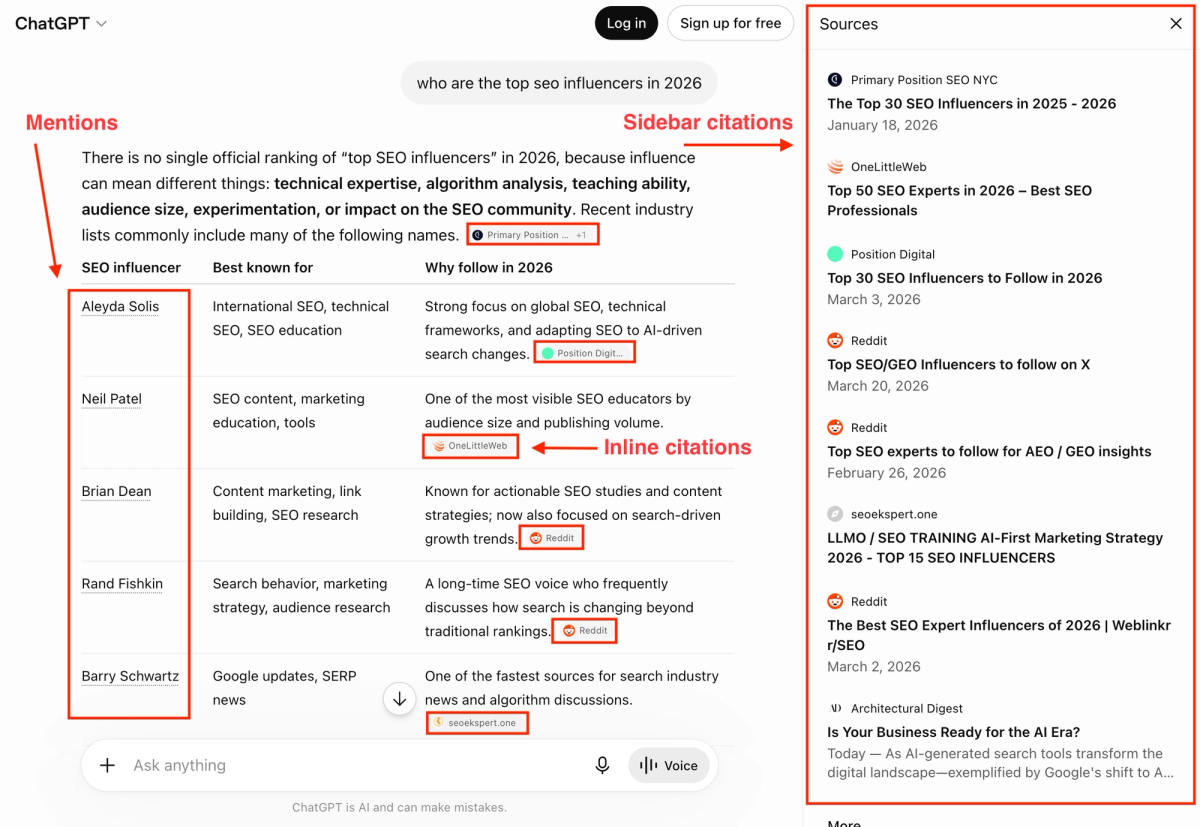
LLM citations are the sources that an AI assistant references when generating an answer through web retrieval. These citations can appear via inline links or a separate citation block.
Citations are different from mentions, which are entities—such as brands, people, organizations, or products—that an AI system refers to directly in its response.
Why Earning LLM Citations Matters for Your Business
Being cited in AI answers has both short-term and long-term benefits:
Short Term: Qualified Referral Traffic
Users click through to cited sources when they want to verify a claim, go deeper, or evaluate a recommendation. That click comes after the model has already vouched for you, so the visitor arrives pre-qualified and further down the funnel than a comparable organic click.
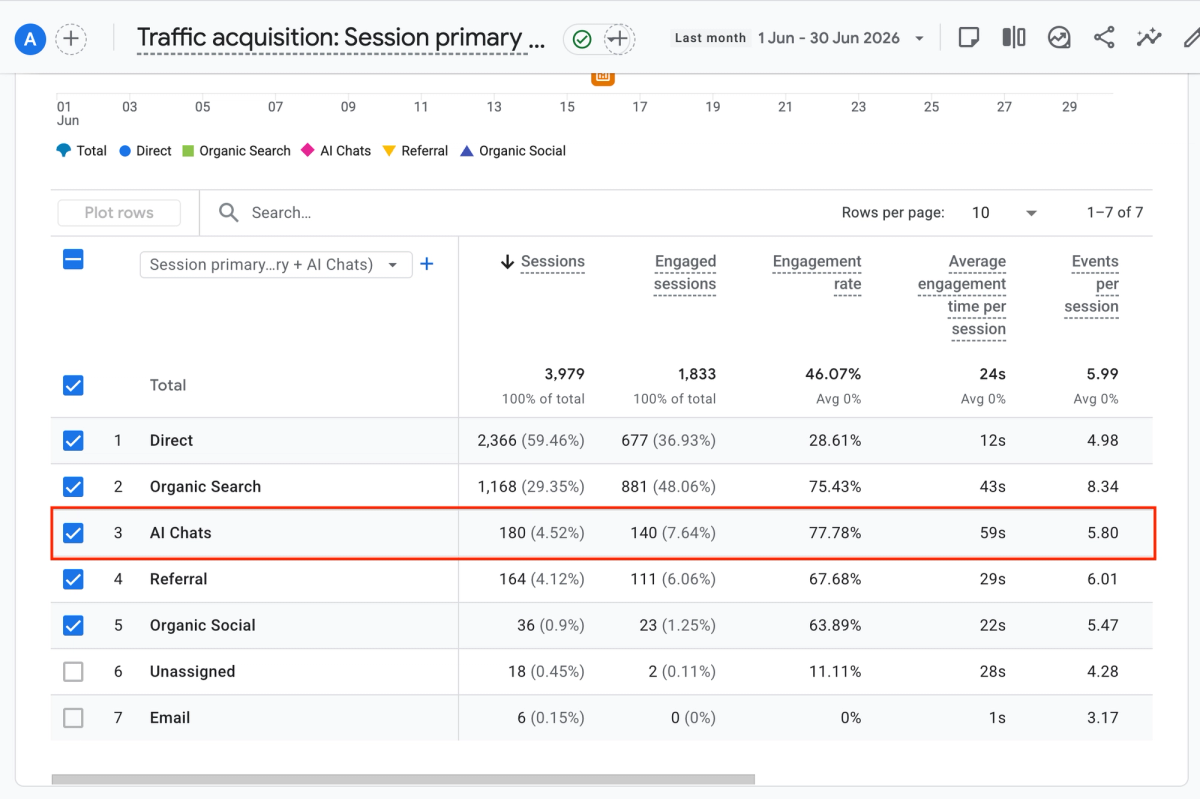
In fact, AI referral traffic converts better than organic traffic, according to Seer Interactive: ChatGPT (15.9%), Perplexity (10.5%), Claude (5%), and Gemini (3%), while Google's organic conversion rate is 1.76%.
AI referral traffic is also one of the few GEO metrics you can reliably measure and attribute. While AI mentions and citations can fluctuate between prompts and models, referral traffic is a tangible business metric that you can track in your analytics platform, making it easier to demonstrate the impact of your GEO efforts.
Long Term: Brand Authority
When AI assistants repeatedly reference your content across different questions and user journeys, they position your business as a trusted source of information.
This visibility compounds over time. Even when users don't click through, consistent citations increase brand familiarity and trust by exposing your company during research and decision-making moments.
6 GEO Tactics for Getting More LLM Citations
Now the question is: how do you earn third-party mentions that actually improve your chances of being cited by AI systems?
Here are proven tactics you can use:
1. Conduct a Technical GEO Audit
Before AI systems can cite your content, they need to find, access, and retrieve it.
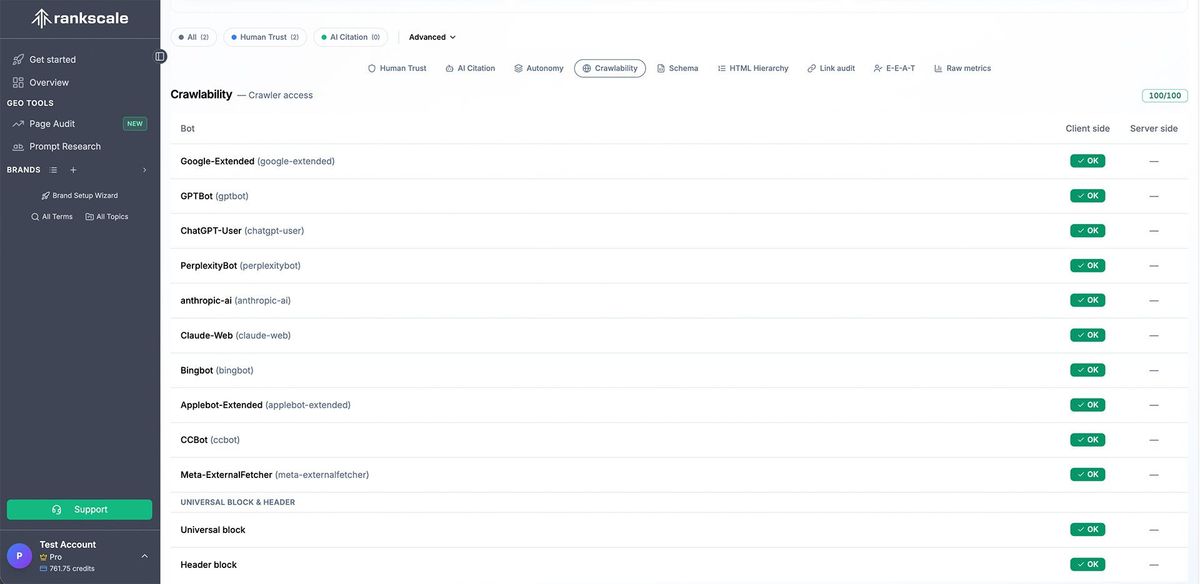
A GEO audit helps identify technical and content issues that may prevent your pages from appearing in AI-generated answers. This includes factors such as crawlability, indexability, structured data, content quality, entity coverage, and other signals that influence how AI systems retrieve and evaluate your content.
Rankscale's Page Audit feature analyzes these factors and highlights opportunities to improve your pages for AI search, giving you a prioritized roadmap for increasing your likelihood of being cited.
This tactic worked particularly well for one of our clients, Decentriq. Within six months of auditing and fixing their technical issues, the martech company managed to increase their AI citations by 221%.
2. Perform Citation Analysis
Before creating new content or launching outreach campaigns, understand what AI systems are already citing.
Analyze your target prompts and identify the pages, domains, and content formats that appear most frequently in AI-generated answers. Look for patterns such as the types of websites cited, the structure of the content, and the topics that consistently earn citations. This gives you a benchmark for what AI systems currently consider authoritative.
Tools like Rankscale's AI Citation Tracking make this process so much easier by showing which pages and domains are cited for your target prompts.
Once you know what's already being cited, you can make more informed GEO decisions, including:
- Creating content in the formats that AI systems favor. For instance, if most of the citations are "best X" roundups, then you probably should create your own listicle.
- Optimizing existing pages to match the structure, depth, and format of frequently cited content.
- Prioritizing digital PR outreach to publications and websites that AI systems already trust and reference in your niche.
3. Publish Original Data
One of the most effective ways to earn LLM citations is by creating original data that no other websites have.
According to Growth Memo research, pages that contain primary research were 3.3x more likely to be cited by AI than non-primary pages.
Actionable tips:
- Find the gaps. Identify questions your audience frequently asks that lack clear, data-backed answers. These are your opportunities.
- Gather the data. Survey your existing customers, clients, or partners to uncover new insights. You can also analyze your customer or product data to identify emerging trends and patterns.
- Structure content for AI retrieval. Proprietary data alone isn't enough to earn citations. Format your content clearly with key findings upfront, so AI systems can easily find and cite your data.
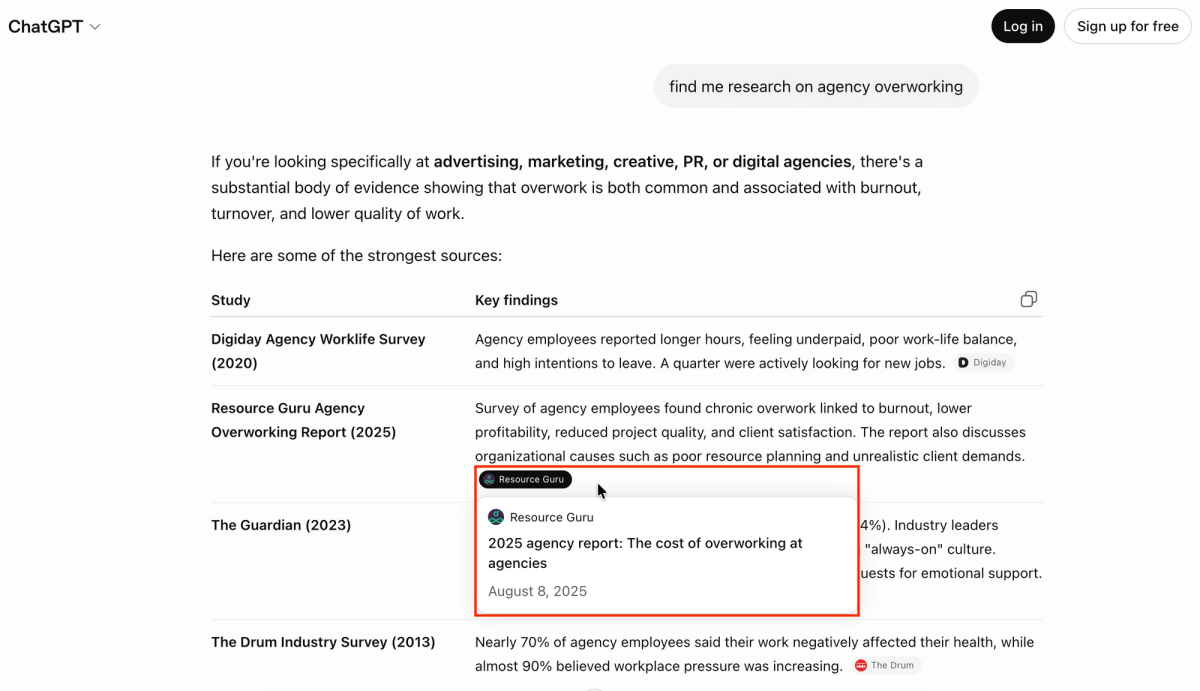
This is the exact tactic we used for one of our clients, Resource Guru. We published an original report on "Agency Overworking" and the piece generated 50+ backlinks in 3 months.
The report also earned multiple citations in AI answers, including ChatGPT.
4. Create Optimized Profiles on Review Platforms
Review platforms are some of the most frequently referenced sources in AI-generated answers, especially for software products and professional services.
Building a strong presence on these platforms can increase your AI citation rate, according to a Seer Interactive study.
The research found that brands with no Trustpilot profile have a median AI citation rate of 1%. Brands with even a minimal presence (between 1–13 reviews) saw their citation rate increase to 53.5%. That's a significant difference.
Actionable tips:
- Prioritize based on your niche. For example, G2 is the top platform for B2B SaaS companies, while Trustpilot is geared towards agencies and service providers. If you run a software company, here are the top SaaS directories to submit your product.
- Claim and optimize your profiles. Make sure your company information, product descriptions, categories, and features are complete and consistent.
- Collect detailed customer reviews. Encourage customers to leave a positive rating and review on those platforms.
5. Distribute Your Content With Guest Posts
LLMs generate answers by synthesizing information from multiple trusted sources—not just a single webpage.
That's why you shouldn't limit your content to your own website. Instead, repurpose and publish your best content on high-authority industry publications through guest posts.
The more reputable websites that cover your expertise, the more opportunities LLMs have to discover, validate, and cite your content.
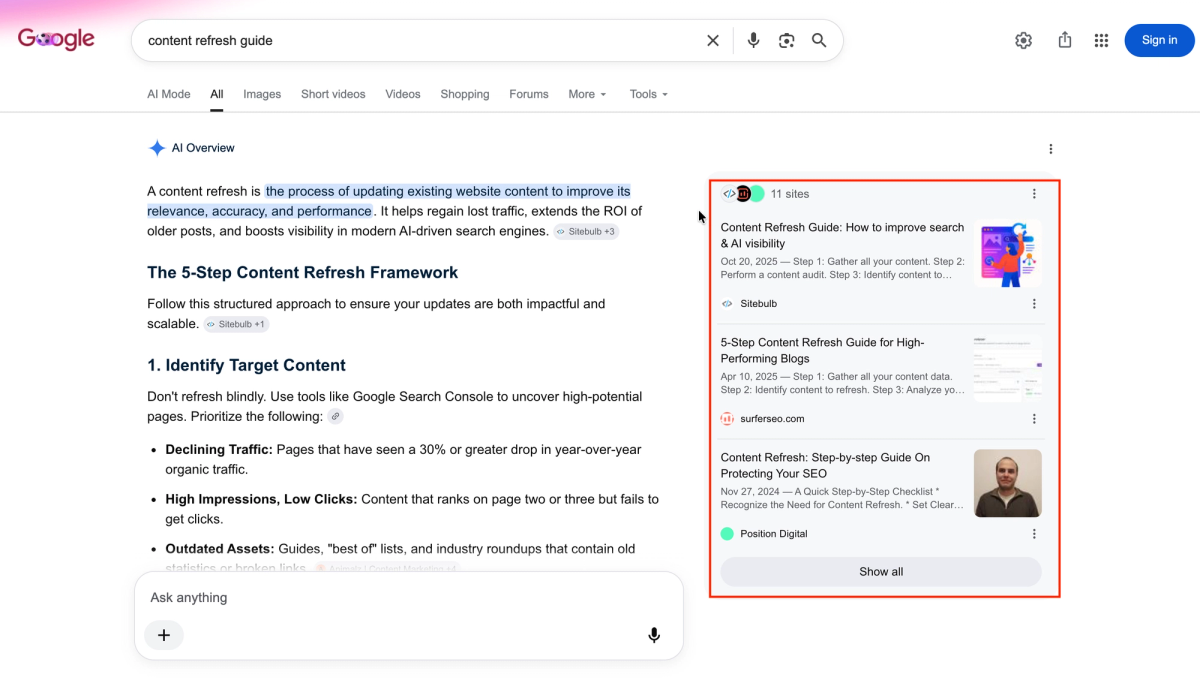
As an example, we published an article on "Content Refresh Guide." We then published variations of that article on two high-authority industry websites: Surfer SEO and Sitebulb. All three versions of the content are now cited by AI Overview.
6. Invest in Listicles
Listicles are the most cited content type in AI search for commercial queries, according to Wix.
When users ask AI chatbots something like "what's the best CRM for small businesses" or "recommend me the best link building agencies for martech", the citations are mostly listicles and comparison pages.
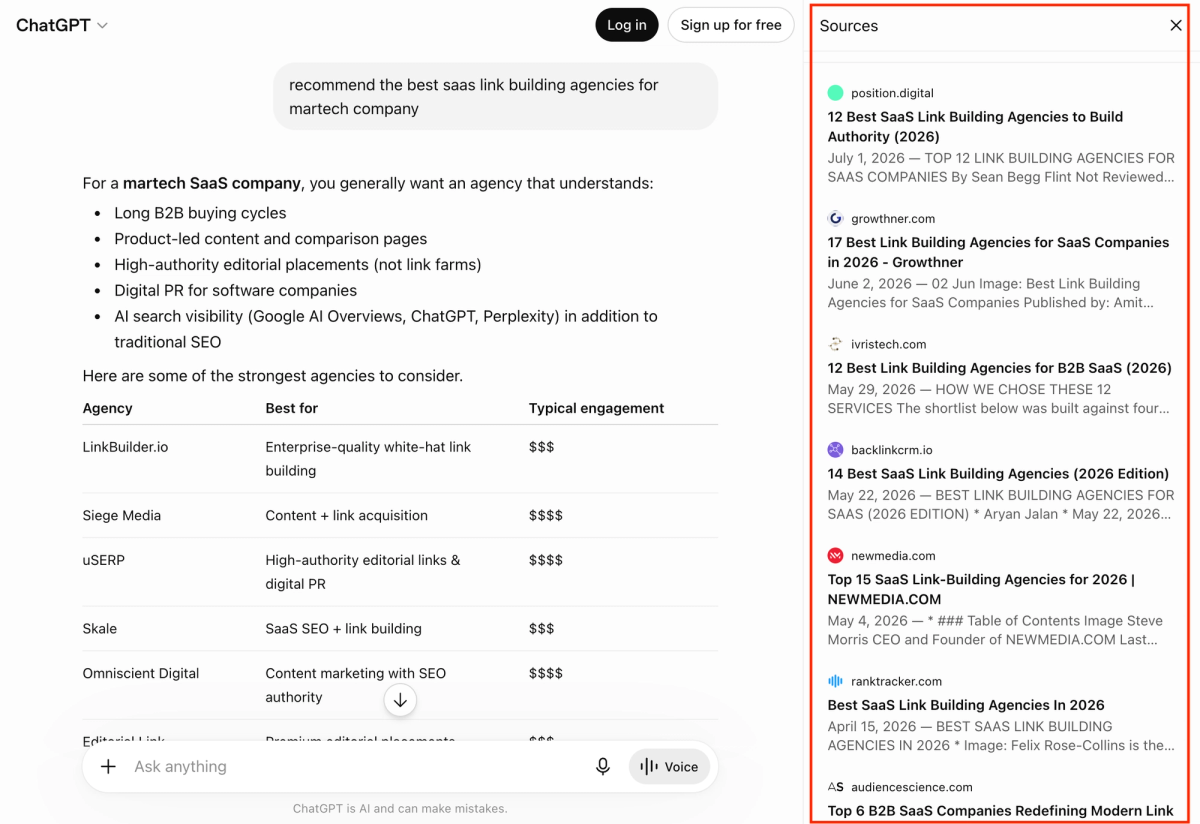
So, to increase your visibility, focus on two tactics:
- Create your own high-quality listicles. Publish comprehensive, unbiased comparison articles around the keywords your audience searches for. Include clear evaluation criteria, pros and cons, pricing, and ideal use cases. These pages have a higher chance of being referenced by AI systems because they aggregate useful information in a structured format.
- Get featured in listicles that AI already cites. Creating your own listicle isn't enough; you also need to secure placements in "best X" roundups, product alternatives, and comparison pages that AI already cites for your target prompts.
Ready to Earn More LLM Citations?
AI search is changing how customers discover and evaluate brands. The question is no longer just whether your website ranks, it's whether AI systems recognize your brand as a trusted source.
With Rankscale, you can track what's already cited in your niche, and identify where the gaps and opportunities are.
Instead of guessing where to focus your efforts, this allows you to prioritize content creation, optimization, and digital PR opportunities that are most likely to improve your citation visibility.
👉 Start tracking and earning more LLM citations with Rankscale today